Why Is My Oak Tree Dying?
Oak trees are a defining feature of Maryland’s landscapes, offering shade, beauty, and ecological benefits to our communities. Yet many homeowners are increasingly puzzled and frustrated when their once-thriving oak trees begin to decline. In this post, we’ll explore the common native oak species in Maryland, the pests and diseases—including the notorious Phytophthora—that are challenging these trees, and the best management practices to help your oak regain its strength.
Maryland’s Native Oak Species
Maryland is home to several species of oak that have adapted to the region’s varied climates and soils. Some of the most common native oaks include:
- White Oak (Quercus alba): Known for its broad, spreading canopy and strong wood, the white oak is a hallmark of mature woodlands.
- Northern Red Oak (Quercus rubra): Prized for its vibrant fall color and rapid growth, the red oak is a favorite among landscapers and homeowners alike.
- Black Oak (Quercus velutina): With its dark, furrowed bark and rugged appearance, the black oak is well-adapted to poorer soils.
- Scarlet Oak (Quercus coccinea): Recognized for its brilliant red fall foliage, this oak offers both beauty and resilience.
- Willow Oak (Quercus phellos): Distinguished by its narrow, willow-like leaves, this species thrives in moist, lowland areas.
Understanding which species you have is the first step in diagnosing problems and choosing the right treatment methods. Local extension services, like those provided by the University of Maryland Extension, offer detailed guides on identifying and caring for these species.
The Pests and Diseases Plaguing Maryland Oaks
Several pests and diseases are known to affect oak trees in Maryland, many of which can contribute to the decline of these iconic trees. Here’s a closer look at some of the most concerning issues:
1. Phytophthora Root Rot
Phytophthora is a water mold that thrives in saturated soils and can cause severe root rot in oaks. The infection reduces the tree’s ability to absorb water and nutrients, eventually leading to decline and death. Poor drainage and compacted soils can create ideal conditions for Phytophthora, making it a common culprit in urban and suburban landscapes.
2. Oak Wilt
While oak wilt is more prevalent in other regions of the Eastern United States, it remains a concern in Maryland. This fungal disease disrupts the water-conducting vessels of oak trees, leading to rapid wilting and death. The disease spreads through root grafts between adjacent trees and via beetle vectors, so early detection is crucial.
3. Anthracnose
Anthracnose is a fungal disease that typically manifests as dark, irregular spots on leaves, leading to premature defoliation. Although it rarely kills a tree, chronic infection can stress the tree, making it more susceptible to other pests and environmental stresses.
4. Powdery Mildew
Powdery mildew, another fungal infection, forms a white or gray powder on the leaves and stems of oak trees. While often considered more of a cosmetic issue, severe infestations can weaken the tree over time.
5. Insect Pests
Oaks are also vulnerable to a range of insect pests, such as:
- Oak Borers: These wood-boring insects tunnel through the bark and wood, disrupting the tree’s internal nutrient pathways.
- Gypsy Moth Caterpillars: Known for their voracious appetites, gypsy moth larvae can defoliate entire trees if populations reach outbreak levels.
- Oak Leafrollers and Gall Wasps: These pests can cause damage to leaves and small branches, reducing the tree’s overall vigor.
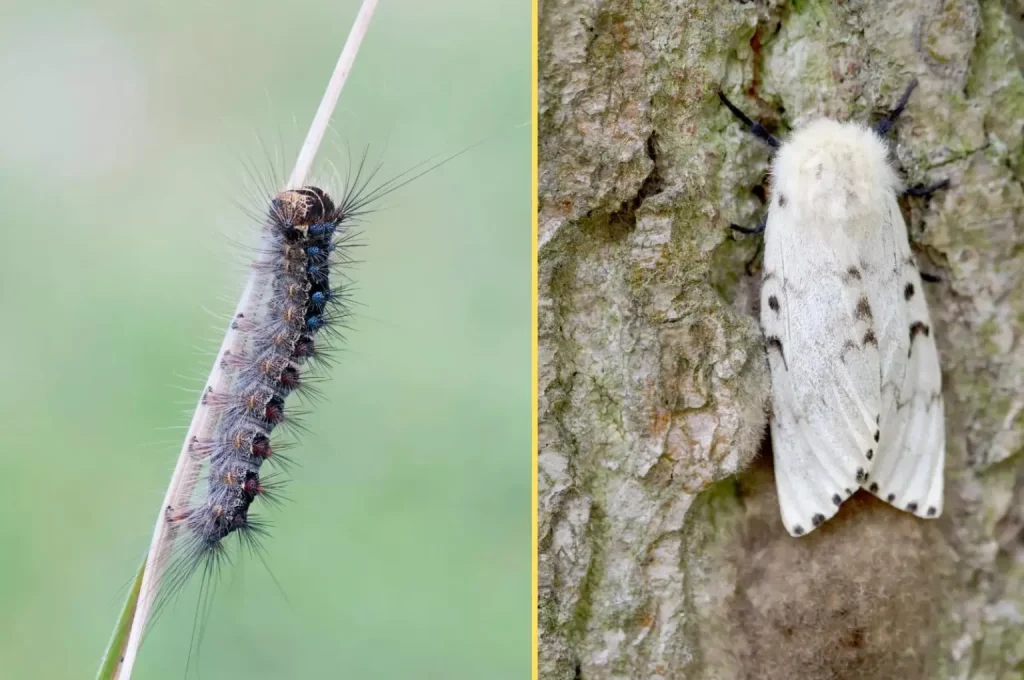
A gypsy moth caterpillar (L) and female month (R). This non-native species can spell big trouble for Maryland oak trees.(o2beat/Mantonature via Canva)
The combination of these pests and pathogens can create a “perfect storm” that compromises the health of your oak tree, often making it difficult to pinpoint a single cause for its decline.
Best Management Practices for Revitalizing Your Oak
When your oak begins to show signs of stress, a multi-faceted approach is required to help it recover. Here are several treatments and best management practices tailored for Maryland’s climate and soil conditions:
Air Spading
One effective method to improve soil health around oak trees is air spading. This technique uses compressed air to remove compacted soil without damaging the delicate root structures. By loosening the soil, air spading improves water infiltration, aeration, and nutrient absorption. It’s particularly useful in urban settings where soil compaction is a common problem due to foot traffic and construction activities. Improved soil conditions can help reduce the incidence of diseases like Phytophthora root rot by promoting healthier, more resilient roots.

Air Spading a large White oak.
Pruning Guidelines: When, When Not, and Why
Pruning is often the first management practice that comes to mind when trying to revive a stressed oak tree. However, it is important to understand that while pruning can remove diseased or dead wood, it is not a cure-all for tree health. Here’s how to approach pruning:
- When to Prune:
The best time to prune oak trees is during the dormant season, typically in late winter or early spring, before new growth begins. Pruning during dormancy minimizes stress and reduces the risk of pathogen entry through fresh wounds. - When Not to Prune:
Avoid pruning in late summer or early fall, when high temperatures and moisture can create ideal conditions for fungal infections. Additionally, refrain from heavy pruning during periods of drought or extreme heat, as this can further stress the tree. - Why to Prune:
Pruning can help remove dead, diseased, or crossing branches, Arborists call this “crown cleaning”. Not only does crown cleaning improve the tree’s appearance but it also helps maintain structural integrity. Proper pruning can reduce the spread of pathogens and allow more light and air to reach the inner canopy, promoting overall health. However, it’s critical to recognize that pruning is only one part of a comprehensive tree care strategy. Relying solely on pruning without addressing underlying issues—such as soil compaction, poor drainage, or pest infestations—may not result in significant improvements in tree health.
For a detailed guide on proper pruning techniques and timing, local resources like the Maryland Department of Natural Resources offer valuable insights.
Integrated Pest Management (IPM)
Beyond air spading and pruning, managing oak health requires an integrated approach to pest and disease control. IPM combines cultural, biological, and chemical methods to reduce pest populations while minimizing environmental impact. Some key components include:
Regular Monitoring:
Keep a close eye on your oak tree for early signs of stress or pest infestation. Early intervention is key to preventing a minor issue from becoming a serious problem. If you are curious of what signs of stress looks like in trees or you suspect that your tree is stressed, then please reach out to Shy Tree to book an arborist consultation appointment.
Proper Watering and Mulching:
- Regular Monitoring:
Keep a close eye on your oak tree for early signs of stress or pest infestation. Early intervention is key to preventing a minor issue from becoming a serious problem. If you are curious of what signs of stress looks like in trees or you suspect that your tree is stressed, then please reach out to Shy Tree to book an arborist consultation appointment. - Proper Watering and Mulching:
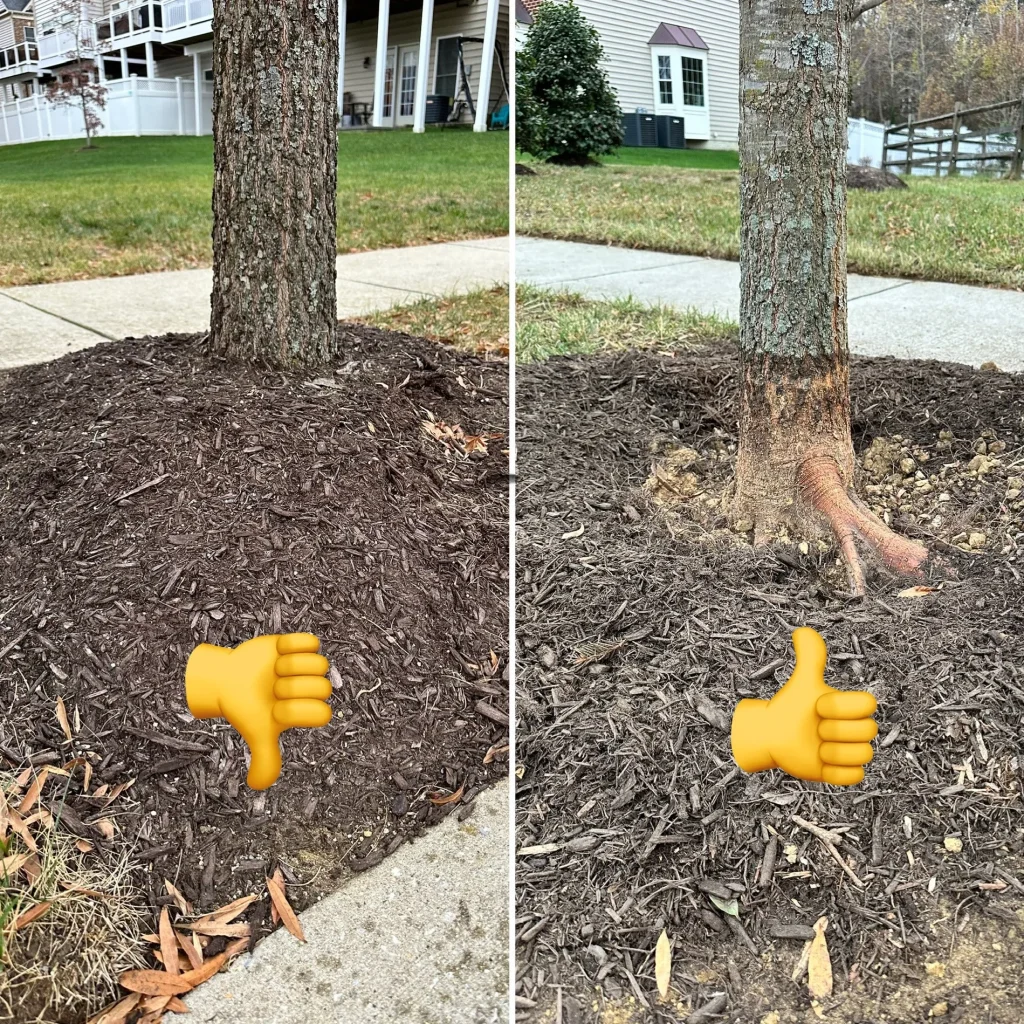
Adequate irrigation is essential, especially during dry spells. Mulching around the base of the tree can help conserve moisture and moderate soil temperature. However, ensure the mulch is not piled against the trunk, as this can lead to rot and a laundry list of other issues.
- Soil Management: Improving soil structure through techniques like air spading and the addition of organic matter can enhance root growth and resilience. Healthy soil is the foundation of a healthy tree and can help reduce susceptibility to diseases like Phytophthora.
- Targeted Treatments: In cases where pests or fungal diseases are identified, targeted chemical treatments may be necessary. Always consult with a certified arborist before applying any chemicals to ensure that they are used safely and effectively.
Taking a Holistic Approach to Oak Tree Health
It is important to understand that no single treatment will magically restore a dying oak tree to full health. While techniques like air spading and proper pruning play important roles, they are part of a broader strategy aimed at addressing multiple stress factors concurrently. In many cases, improving overall tree health involves:
- Enhancing Soil Quality:
Remediating compacted soils and improving drainage can significantly reduce the stress that predisposes trees to diseases such as Phytophthora root rot. - Reducing Environmental Stressors:
Minimizing physical damage from lawn equipment, construction, or heavy foot traffic can help preserve the integrity of a tree’s root system and bark. - Professional Consultation:
When in doubt, consulting a certified arborist can provide a tailored management plan based on your tree’s specific conditions. Arborists can perform detailed diagnostics, recommend precise interventions, and monitor the tree’s response to treatment over time.
Remember, even when proper pruning and treatments are applied, oak trees—like all living organisms—are subject to a multitude of environmental stresses. Pruning may remove some immediate sources of decay or infestation, but long-term tree health depends on a holistic care regimen that addresses soil quality, water management, and pest control. Relying solely on one method is unlikely to yield lasting improvements.