
Bare branches … falling limbs … peeling bark … There are many signs that your trees may be dying. When you notice these issues on your property, you may start thinking of the possible hazards. Will your dying tree fall on your roof? Is it starting to lean toward your neighbor’s house? Can you save the tree?
The truth is: Your trees bring a lot of value to your property! They offer you shade in the hot summer months; they provide an enhanced curb appeal; they bring vitality and personality to your property. If you’re like many homeowners, you want to keep the trees on your property. But, if they’re dying, is there anything you can do?
Fortunately, there is! This article is going to walk you through everything you need to know about dying trees – including the signs, when you need tree removal, and how you can save your trees without removing them. Let’s get started.
What Are The Signs Your Tree May Be Dying?
The first step in saving your dying tree is identifying the problem. There are many reasons that your tree may be struggling, from pests to poor nutrient absorption. Below, discover some of the top signs that your tree may need attention from a professional arborist.
Signs of a dying tree include:
- Bare branches with no leaves
- Bark peeling or cracking
- Bark discoloration or moss/algae growth
- Pest infestations
- Significant leaning
- Stunted growth
If you notice any of these signs, you’ll want to call an arborist. They can help you determine the best next steps to protect your trees.
Is Tree Removal the Only Option?
Above, we mentioned that you’ll want to call in an arborist to find the best steps to take. That means there’s good news: Not every sick tree needs to be removed. In many cases, you can opt for tree treatments, tree pruning, soil treatments, pest treatments, and other steps to keep your trees healthy without removal. You can often save your trees and enjoy their beauty and comfort for many years to come.
When Do Dying Trees Need to Be Removed?
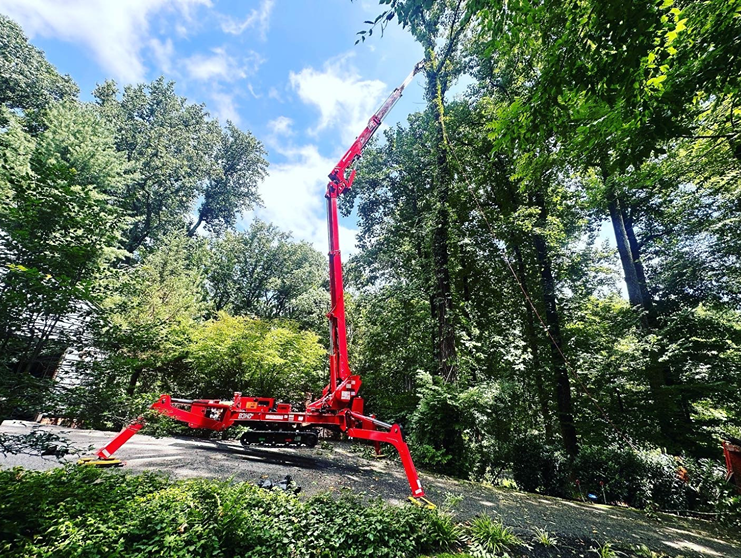
While there are often many ways to save trees without removal, sometimes tree removal is necessary. This is often true when your tree has been struggling for a while, whether that’s due to poor nutrient absorption, pest infestations, or tree diseases. Dead or clearly dying trees pose a risk to you and your property and may need to be removed to mitigate hazards. In this section, discover the main reasons that tree removal may be the best option in some cases.
The tree is hollow.
If the tree has been struggling for a while, the trunk may be hollow. Unfortunately, not much can be done at this stage. Once the tree is hollow, no treatments can really save it. You’re at risk of the tree falling any time. Tree removal is typically the best option for a hollow tree.
There’s undeniable fungal growth.
Mushrooms and fungi growing around the base of your tree or on the trunk can indicate internal rot. Sometimes, this means that your tree is too far gone and cannot be saved. An arborist will help you determine if your fungal growth means that your tree needs to be removed.
The tree is leaning severely.
When you have a large tree that is leaning significantly, the best option is often removal. The roots may not be secure in the ground, and the trunk may be weakened. All of these put you and your property at risk.
There are many dead or bare branches.
Trees often develop a few bare branches as they grow and age. However, the presence of many dead branches is often a sign that your tree is in trouble. If you find that all or most of your branches are no longer growing leaves, it may be time for tree removal.
How Can You Save Your Dying Trees?
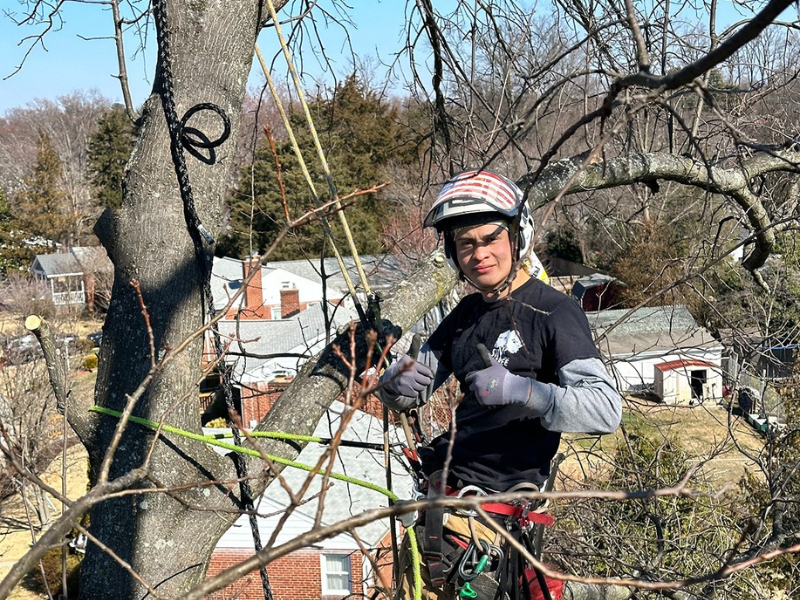
Luckily, there are many situations in which you can save your dying trees without removal! If your tree is starting to show signs of disease or decay but you catch it early, you can often save the tree with professional tree care and treatments. You’ll want a certified arborist at your side, so you can find the best options to keep your trees healthy and your property protected. Discover some of the ways that your trees can be helped below.
Tree Treatments
Tree treatments are available to treat any diseases, pests, or other concerns with your trees. Whether there is a nutrient absorption issue, pest infestation, or another problem, arborists can help you find the best treatment plans. These options reduce stress on your tree, enhance growth, and provide protection.
Here at Shy Tree, we offer our specialized Tree Spa™ program to create personalized tree treatments that keep your property healthy for the long haul. We provide root zone excavation, soil amendments, disease and pest management, and more. You can even book online today!
Tree Pruning
If your tree has a few dead or diseased branches, the best option is to have them pruned. By removing the problem branches, the rest of your tree can receive more nourishment and stay healthier for longer. Routine tree pruning keeps your trees healthy and strong.
Soil Testing & Treatment
Sometimes, the issue is not with your tree, but with the soil beneath it. An arborist can test your soil and find the root cause of your tree problems. There are many soil treatments available – including soil amendments and aeration – to help your tree stay healthy and strong.
Tree Cabling & Bracing
Sometimes, trees have structural issues but are otherwise healthy. Instead of removing these trees, you can opt for cabling or bracing. This stabilizes your tree and reduces the risk of falling.
Get Expert Assistance with Shy Tree Today!
If you’re concerned that one or more of your trees are dying, don’t let it cause you any more stress! Shy Tree is your local expert for tree care in Maryland. As an arborist-owned and operated team, we have the knowledge and experience to assess your trees and find the best treatment plan. Whether you need a visit from our Tree Spa™ or you need tree removal here in Maryland, we’re ready to help. Trust in us to find the best and most cost-effective solution for your property.
Contact us or book online today for your consultation and estimate.