
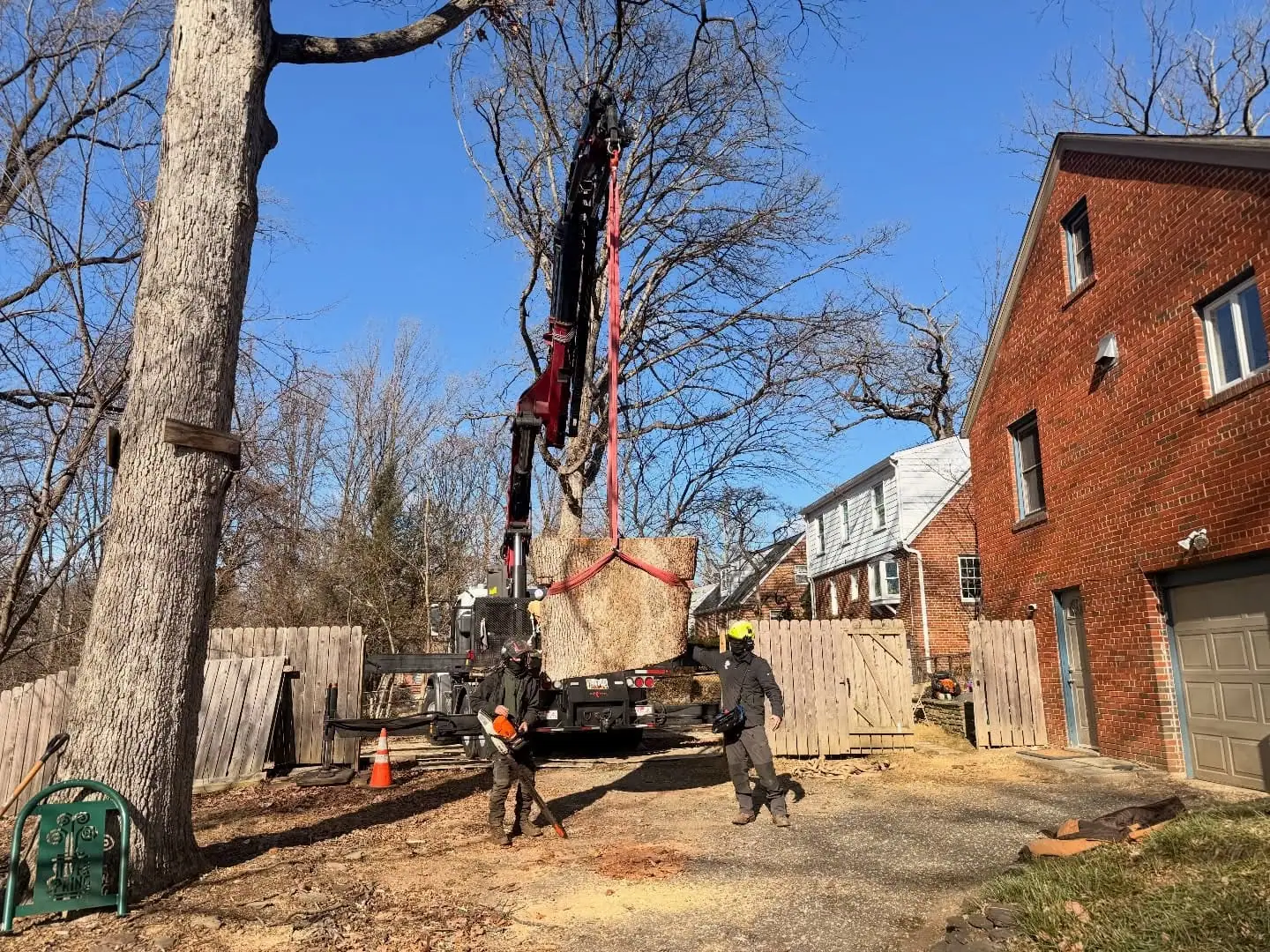
Tree trimming looks easy from the ground. A limb hangs low. The canopy looks thick. A branch sits too close to the roof. Then one bad cut changes the shape of the tree for years.
Homeowners across Maryland ask the same question for good reason. The right timing protects tree health, lowers risk, and prevents expensive damage. This guide explains the best time to trim trees in Maryland, what spring tree trimming can do, and where expert help from Shy Tree fits into the picture.
Why Timing Matters for Tree Trimming
A tree does not react to pruning the same way in every season. Growth changes across the year. Energy use changes too. That shift affects healing, new growth, and stress. The next points show why timing matters so much.
Trees recover better during dormancy
Each pruning cut creates a wound. The tree must seal that wound and protect the exposed wood. That process uses stored energy.
Dormant trees handle that stress better. Late winter gives arborists a clear view of the branch structure. Leaves do not block weak unions, deadwood, or crossing limbs. Clean cuts made at that stage set the tree up for stronger spring growth.
Pests and disease can follow bad timing
Fresh cuts attract trouble on some species. Insects feed on exposed tissue. Fungal spores land on open wounds. A poor pruning window raises that risk.
That point matters in Maryland. Heavy air moisture shows up when temperatures rise, along with more bugs and faster spread of illness. Shifting schedules helps lower those risks while giving plants time to bounce back.
The Best Time to Trim Trees in Maryland
Winter’s end often brings the right moment for trimming most shade trees across Maryland. Early spring light wakes them gently, and cuts heal cleanly. Branches respond well when shaped before sap rises too high. Once late frosts have passed, but before leaves fully burst, this window works best. Care timed just right keeps trunks strong through summer heat.
That window offers clear visibility and lower stress. It gives the tree time to start sealing cuts once growth begins. The details below explain why this period works so well.
Late winter gives the best balance
Late February through early April works well for many species. Trees still sit in dormancy or just start to wake up. The canopy stays open, so structural flaws stand out.
This window helps arborists remove dead limbs, thin crowded growth, and guide young trees into a stronger form. The tree then enters spring with a healthier structure. That makes late winter the best time to trim trees in Maryland for many routine jobs.
Early spring still works for light pruning
Spring tree trimming has value in the right setting. Winter storms leave broken twigs, split limbs, and hanging branches. Homeowners spot those issues once they spend more time outside.
Light pruning in early spring can clear driveways, sidewalks, roofs, and gutters. It can clean up storm damage too. Large cuts need more care at that stage. A tree in full growth uses a lot of energy, so heavy pruning can hit harder.
Spring Tree Trimming Has a Place
Spring brings a long to do list for most homeowners. Tree work often lands near the top. Grass grows fast. Branches stand out more. The yard starts to show what winter left behind. The sections below explain where spring tree trimming makes sense and where restraint pays off.
Good uses for spring pruning
Early spring works well for cleanup. Small dead limbs can come out. Minor storm damage can get fixed. Branches that block paths or scrape the house can get trimmed back.
That kind of work improves safety and appearance without pushing the tree too hard. A careful plan matters. Random cuts lead to weak growth and poor form.
Heavy spring cuts need caution
A tree in active growth sends energy into leaves, shoots, and roots. Large pruning cuts interrupt that work. The tree then has less energy for healing and defense.
That does not mean all spring pruning is wrong. It means the scope must match the tree. Shy Tree takes that measured view on every property. The goal is long term health, not a fast cosmetic change.
Summer and Fall Need More Restraint
Many homeowners reach for pruning tools in summer or fall. The tree looks full in summer. The yard needs cleanup in fall. Those seasons feel practical. Tree biology tells a different story. The next sections explain why major pruning often waits.
Summer pruning is for select cases
Summer pruning has a use. Storm damage needs quick attention. Broken limbs over a roof or driveway need removal. A few fast growing shoots can need reduction for clearance.
Routine heavy trimming in hot weather is another story. Heat and dry soil raise stress levels. Large cuts add more strain. Mature trees feel that stress the most.
Fall is not a strong season for major cuts
Fall feels like a cleanup season. Trees start to slow down and prepare for winter. Big pruning cuts at that stage can create problems.
Fresh cuts may stay exposed longer. Some species push new growth that will not harden off in time. That tender growth faces winter injury. For most planned pruning, fall works better for inspection and scheduling than for major cutting.
Some Trees Need Special Timing
Not every tree follows the same schedule. Species, age, condition, and purpose all matter. A flowering ornamental needs one plan. A large shade tree needs another. The points below show why a species based plan gets better results.
Flowering trees need careful pruning windows
Flowering trees set buds well ahead of bloom time. A poorly timed trim can remove those buds. Still standing tall, the tree keeps living while blossoms take a break each year.
Timing shapes how crabapples, cherries, dogwoods along with others like them respond. Most folks assume the tree just didn’t make it. The truth comes down to when the cuts were made.
Fluid seeping from a tree might seem alarming at first glance. Yet often, the damage underneath is minor. Oozing resin draws attention, true, but healing usually follows without help. Sometimes what appears broken heals quietly on its own.
From new wounds, maples, along with some other trees, may leak fluid. This worries plenty of homeowners. Most of the time, even though it seems intense, the dripping isn’t a sign of serious damage.
Still, when you trim makes a difference. Before lifting shears, an expert checks what kind of tree it is and how it’s doing. At Shy Tree, that thinking shapes every cut. Health stays strong, and shape stays true.
Tree Shows Signs It Needs Trimming Now
When seasons shift, plans change but safety always comes first. Some issues can’t be ignored any longer. A broken branch won’t wait just because it’s not spring. Spotting danger early makes a real difference for the people living there. What follows are the most common signs to watch for.
Dead, broken, or hanging branches
Dead limbs fall without warning. Broken branches get weaker with wind and rain. Hanging limbs pose an obvious hazard over roofs, cars, walkways, and play areas.
Those branches need prompt removal. Quick action lowers the chance of injury and property damage. It can stop a small problem from turning into a major repair.
Rubbing limbs and storm damage
Crossing branches scrape bark off each other over time. That damage opens the door to decay and pests. Dense inward growth reduces airflow and traps moisture in the canopy.
Storm damage needs a close look too. A branch can crack high in the crown and stay attached for a while. That limb still holds risk. Shy Tree starts with an assessment, then makes the cuts that serve the tree and the site.
Why Professional Tree Trimming in Maryland Makes a Difference
Many trimming mistakes start with good intentions. A homeowner wants more light or safer clearance. The cuts go too far. The tree responds with weak sprouts, stress, and poor structure. Professional care prevents that chain of events. The next sections show why skilled pruning pays off.
Proper pruning protects health and structure
Good pruning removes the right branch in the right place. It improves spacing and reduces weak attachments. It supports a stronger canopy and lowers storm risk.
Poor pruning strips too much live growth. It leaves stubs. It changes the balance of the tree. Those mistakes can shorten the life of a healthy tree.
Credentials matter in arboriculture
Tree care calls for judgment, not guesswork. Shy Tree is led by Alex Shy, an ISA Board Certified Master Arborist and Maryland Licensed Tree Expert. That level of training matters on every job.
A credentialed arborist studies tree biology, risk, structure, and preservation. That knowledge leads to better decisions. Homeowners get safer trees and more lasting results.
Trim at the Right Time and Protect Your Maryland Trees
The best time to trim trees in Maryland is late winter for most routine work. Early spring works for light corrective pruning and storm cleanup. Summer and fall call for more restraint, except in hazard cases. A tree that gets the right cut at the right time stays stronger, safer, and more attractive.
Shy Tree helps Maryland homeowners make those decisions with care. Their team looks at species, structure, and long term health first. That process leads to thoughtful pruning, healthier trees, and fewer problems down the road.
Ready to Schedule Tree Trimming at the Right Time?
A well timed pruning job protects more than curb appeal. It protects the life of the tree and the safety of your property. Shy Tree gives Maryland homeowners clear guidance and skilled tree care rooted in arboriculture. That makes every cut count.